


Puerto Vallarta Condo Buying Guide: What Buyers Need to Check
When you buy a condo, you buy into a building. Here's how to read its rules, its finances and its condition.
By Lance Fulford5 min read
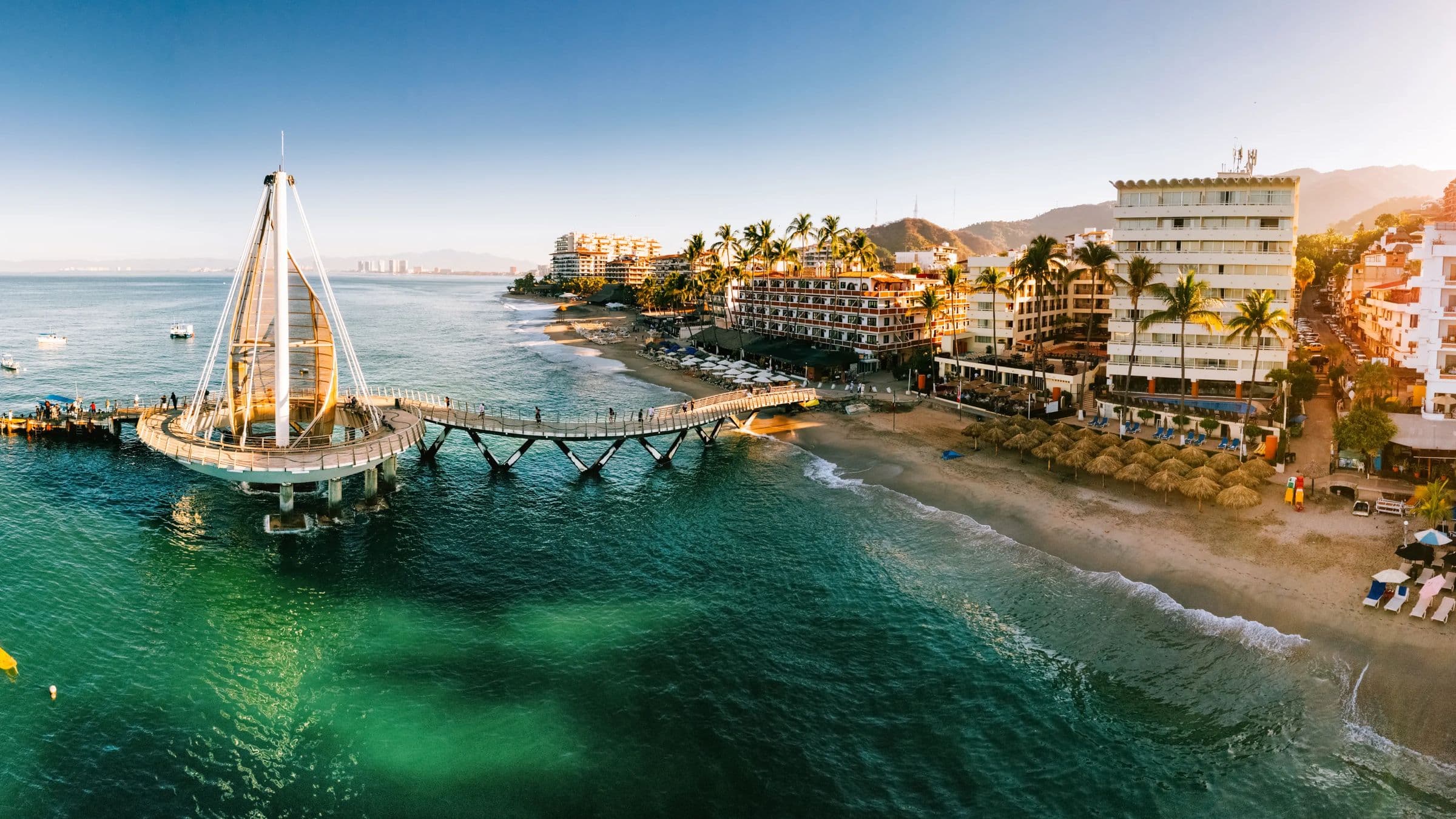
For many foreign buyers in Puerto Vallarta, the home they choose is a condominium. When you buy one, you are not only buying an apartment. You are also buying into a building, its finances, its rules and its neighbors. A beautiful unit in a poorly run building is a poor purchase. This guide covers what to check before you commit, and the questions that separate a well-run building from an expensive surprise.
How condominium ownership works in Mexico
In Mexico, a condominium building is organized under a régimen de propiedad en condominio, a legal regime recorded with the property registry. The regime defines each private unit, the common areas and each owner's share of them. That share, known as the indiviso percentage, usually determines your vote and your portion of building costs.
Owners meet in an owners' assembly (asamblea de condóminos), which approves budgets, fees, rules and major works. Day-to-day operations are often handled by an administrator or management company. Throughout this guide we call the whole arrangement the HOA, as most English-speaking buyers do.
As a foreign buyer in Puerto Vallarta, you will also hold your unit through a bank trust, the fideicomiso. The trust and the condominium regime work alongside each other.
The documents to request
Ask the seller or the building's administrator for these before you sign, or make the purchase agreement conditional on reviewing them:
- The condominium regime deed and building rules (reglamento), including pets, renovations, noise and short-term rentals.
- The current budget and HOA fee schedule, and the history of fee increases.
- Recent financial statements, showing income, spending and arrears.
- The reserve fund balance and any plan for major repairs.
- Minutes from recent owners' assemblies. These are often the most revealing documents of all.
- A no-debt letter confirming the seller's fees are paid to date.
- Insurance details for the building and common areas.
Reading the finances
A healthy building is not necessarily the one with the lowest fees. Look for:
- A real reserve fund. Pools, elevators, roofs, waterproofing and paint all wear quickly in a coastal climate. A building without reserves pays for these through special assessments.
- Low arrears. If many owners are behind on fees, the paying owners carry the cost.
- Clear accounting. Statements should be regular and understandable. Vague answers are a warning sign.
- Planned work. Minutes will tell you whether owners have voted on, or argued about, major projects that are coming up.
Inspecting the building, not just the unit
Hire an independent inspector, and ask them to look beyond the unit itself:
- Water intrusion and waterproofing: roofs, terraces and windows during or after the rainy season.
- Salt-air corrosion on railings, rebar, air-conditioning units and fixtures.
- Water pressure, storage tanks and pumps. Many buildings rely on cisterns and pumps.
- Electrical capacity, particularly in older buildings fitted with modern appliances.
- Elevators and common amenities: their age, maintenance contracts and history.
- Construction quality and permits for any renovations, especially in a new or recently built project.
Rental rules: check them first if renting is in your plan
Many buyers expect to rent their condo when they are away. Some buildings allow it freely, some limit minimum stays, and some restrict it. Read the reglamento and recent minutes, as rules can change by assembly vote. Ask how rentals are managed in practice: check-in, security and the amenity rules for guests.
Rental income from Mexican property is taxable. Local commentary notes that a trustee bank or property manager may withhold tax on rental income and that VAT can apply. Speak to an accountant before your first booking.
Pre-construction and new developments
Buying off-plan can mean newer finishes and a lower entry price, but your risks are different:
- Check the developer's track record and finished projects.
- Confirm the land title, permits and the condominium regime for the project.
- Understand the payment schedule, and what protects your deposits if the project is delayed.
- Get clear, written specifications and a delivery date with consequences if it slips.
An independent Mexican attorney is essential here.
The running costs of a Puerto Vallarta condo
Beyond the purchase price and closing costs, budget for:
- monthly HOA fees;
- annual property tax (predial), which local brokers describe as often a few hundred U.S. dollars a year, with discounts commonly offered for paying early in the year;
- the annual bank-trust fee;
- electricity (air conditioning can be a significant cost in summer), water, gas and internet;
- contents insurance;
- property management, if you are away or renting.
A short checklist before you sign
- Rules allow how you plan to use the unit, including renting.
- Budget, reserves and arrears are reasonable.
- No major unfunded works appear in the minutes.
- The inspection covers the building as well as the unit.
- The seller's fees are paid, confirmed in writing.
- Your attorney has reviewed the contract, title and regime.
See condominiums by neighborhood
Condominiums dominate the Zona Romántica, Amapas and the Hotel Zone, with oceanfront options on the South Shore. If you have a building in mind, ask Lance what he knows about it.
General information only, not legal, tax or engineering advice. Use an independent Mexican attorney and a qualified inspector for any purchase. Last reviewed October 2026.
Sources: MLSVallarta – Buying real estate in Mexico; Coldwell Banker La Costa – Cost to buy property in Puerto Vallarta; GayPV – What HOA finances to check; Out and About PV – What buyers should know about HOAs; Freeman Law – Tax implications of buying in coastal Mexico. Accessed 23 October 2026.
A question about your own situation?
Lance is glad to talk it through, with no obligation.
Get in touch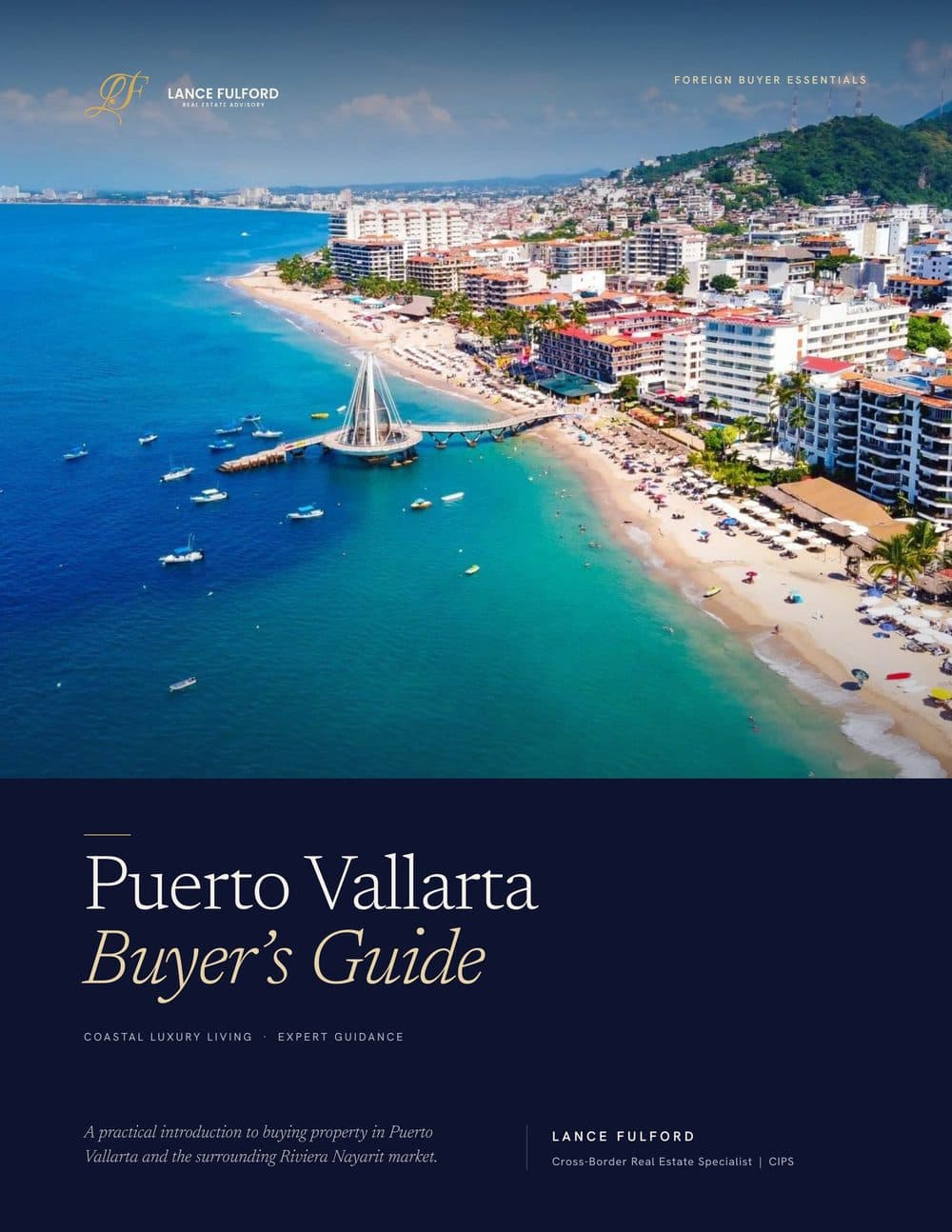
Free guide for cross-border buyers
The Puerto Vallarta Buyer’s Guide
Lance’s 16-page guide for U.S. and Canadian buyers: how ownership works, how a purchase comes together, and what to check before you commit.
- How foreigners own coastal property through a fideicomiso
- The buying process, from your brief to the keys
- Insurance, financing and moving funds safely
- Property types, neighborhoods and buyer checklists