The Best San Francisco Neighborhoods for Condo Buyers
From Victorian flats to glass towers: which neighborhood gives you which kind of building.
By Lance Fulford4 min read
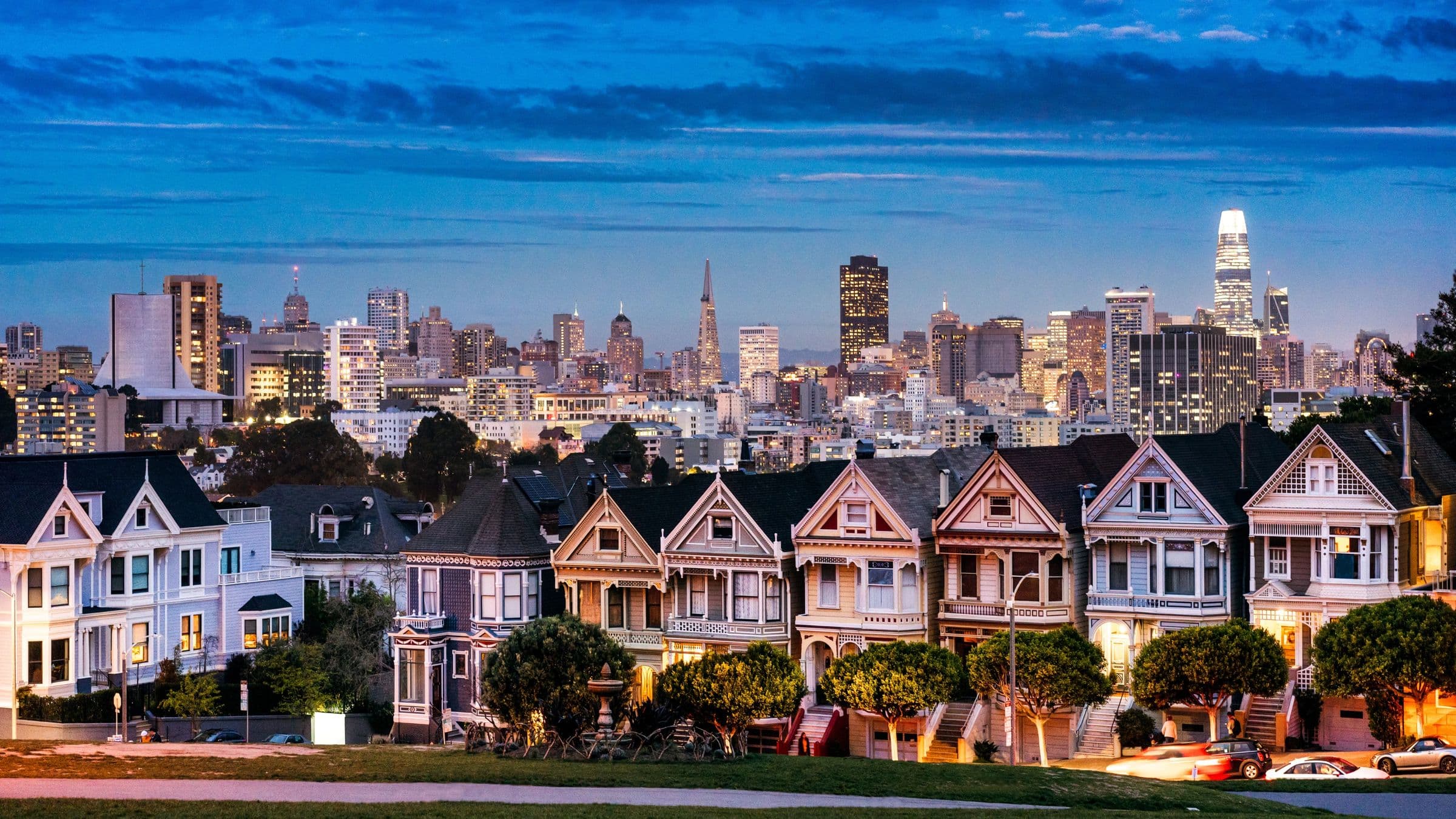
San Francisco's condominiums come in very different forms: flats carved out of 1890s Victorians, mid-century buildings on the northern hills, and glass towers near the Bay. The neighborhood you choose largely decides which kind of building you will live in, and with it your commute, your dues and your weekends. Here is how the main condo neighborhoods compare. This guide sticks to the buildings, transit and daily life, and leaves out market predictions.
Three kinds of San Francisco condo
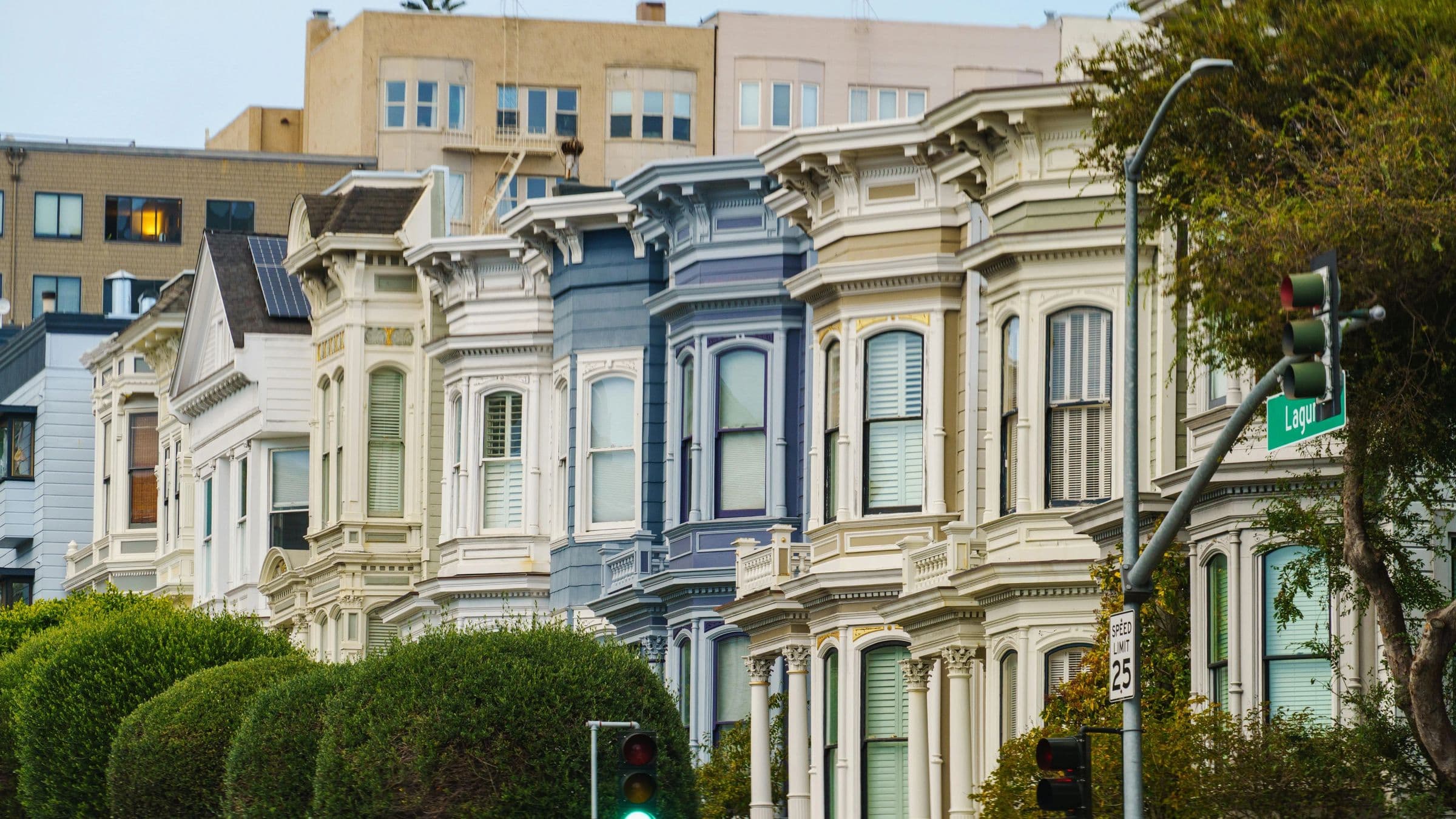
- Victorian and Edwardian conversions. Two to six homes in an older building. Character and ceiling height, small associations, and often shared decisions on repairs. Some buildings in this category are held as tenancy in common rather than as condominiums. See our condo buying guide for the difference.
- Mid-century and pre-war mid-rises. Common on the northern hills, often with views. Some are housing cooperatives, where you own shares in a corporation rather than a unit, which changes how you finance the purchase.
- Modern high-rises and mid-rises. Concentrated in SoMa, the East Cut, Mission Bay and around Market Street. Elevators, amenities, staff and larger associations, with dues to match.
The Castro and Duboce Triangle
Victorian and Edwardian flats on tree-lined blocks around Market and Castro Streets, many divided into condominiums, along with newer buildings along Market. Transit is a strength: Muni Metro trains run from Castro Station under Market Street to downtown, and Duboce Triangle is on the N Judah line.
Suits: buyers who want character, walkability and a quick ride downtown. Castro & Duboce Triangle
Mission Dolores
Grand Victorians divided into flats and condominiums, around Dolores Park and close to Valencia Street's restaurants and shops. The J Church streetcar runs along the park, and 16th Street BART is a short walk east.
Suits: buyers who want park life, restaurants and BART access to the airport and East Bay. Mission Dolores
Noe Valley
Better known for single-family homes, Noe Valley also has flats and smaller condominium buildings around 24th Street and Church Street. It is sheltered by Twin Peaks, so often sunnier than the western neighborhoods, and the J Church line runs to downtown.
Suits: buyers who want a village-like main street and space to grow. Noe Valley
Hayes Valley
Hayes Valley changed after the elevated Central Freeway was taken down and replaced by Octavia Boulevard. The result is a mix of restored Victorians and newer condominium buildings, with a lively shopping street and Patricia's Green at its centre. It is close to Civic Center and the city's performing-arts venues.
Suits: buyers who want newer construction in a walkable, central neighborhood.
SoMa, the East Cut and Rincon Hill
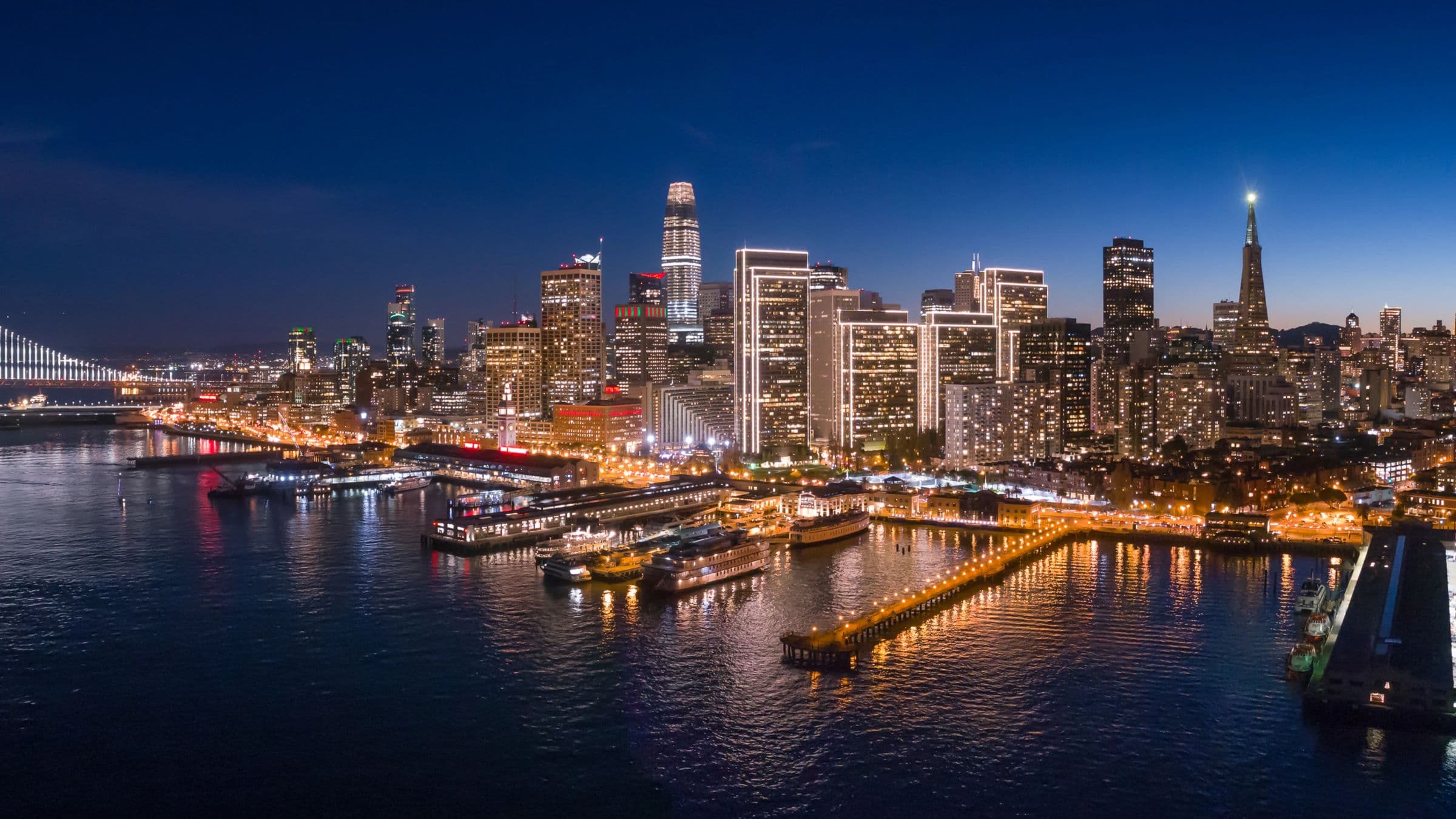
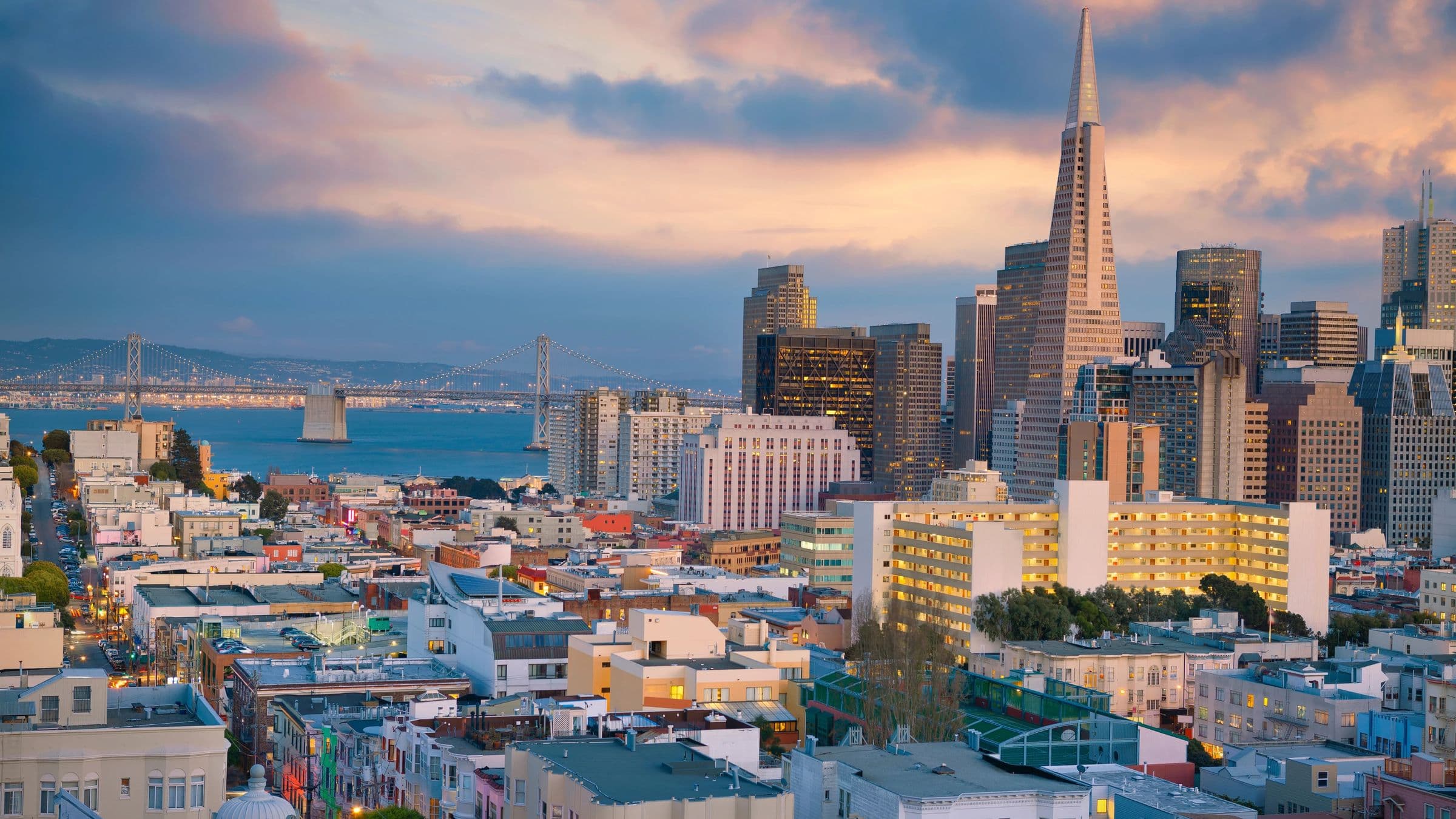
This is the city's high-rise condo district, close to the Financial District and the Salesforce Transit Center, with Bay views from upper floors. Buildings typically offer concierge, gyms and parking.
Suits: buyers who value amenities, views and a short commute downtown. Check: HOA dues, the reserve study, and any building-specific issues in recent minutes.
Mission Bay
One of San Francisco's newest neighborhoods, developed largely from former rail yards, with modern mid- and high-rise buildings, waterfront parks, UCSF's Mission Bay campus and Chase Center. The T Third light rail serves the area, and Caltrain's 4th and King station is nearby.
Suits: buyers who want new construction, open space and Peninsula access via Caltrain.
Pacific Heights, Cow Hollow and the Marina
Elegant older buildings, Victorian conversions and mid-century condos close to Fillmore, Union and Chestnut Streets, with views toward the Bay in places. Parts of the Marina sit on filled land. California's Natural Hazard Disclosure tells you whether a property lies within a mapped seismic hazard zone, so read it carefully and ask about the building's structure.
Suits: buyers who want classic architecture and the northern waterfront.
Russian Hill and Nob Hill
Pre-war and mid-century mid-rises, some of them cooperatives, often with remarkable views, cable cars and walks downtown. Hills are steep, and parking can be limited.
Suits: buyers who prize views and the city's classic architecture. Check: whether the building is a condo or a co-op, and how that affects financing.
How to choose
- Choose the building type first. Do you want character and a small association, or amenities and staff?
- Map your commute to Muni Metro, BART or Caltrain.
- Read the HOA documents and reserve study before you fall for a unit.
- Check seismic status: the retrofit history and the hazard-zone disclosures.
- Price the whole picture: dues, special assessments, parking and insurance.
Find the right building
Lance has advised San Francisco buyers since the 1990s and can talk through specific buildings, not just neighborhoods. Read the San Francisco condo buying guide, explore San Francisco real estate or get in touch.
General information only. Neighborhood descriptions are about housing and transit; they make no claims about safety, demographics or future values. Last reviewed October 2026.
Sources: California DRE – TIC guidelines; Natural Hazards Disclosure Statement (Civil Code §1103); SF Department of Building Inspection – Mandatory Soft Story Program. Accessed 23 October 2026.
A question about your own situation?
Lance is glad to talk it through, with no obligation.
Get in touch