


Moving from San Francisco to Puerto Vallarta: What You Should Know
Residency, healthcare, money, taxes and what to do with your San Francisco home, in the order you'll need to decide them.
By Lance Fulford5 min read
San Francisco and Puerto Vallarta are a few hours apart by air, and some Bay Area residents divide their lives between the two or make the move outright. The appeal is easy to understand: warm winters, the ocean, a walkable old town and a very different pace. But a successful move is mostly about the unglamorous details: residency, healthcare, money, taxes and how you hold property in each country. This guide sets out what to plan, in roughly the order you will need to plan it.
First, decide what kind of move this is
The right answers depend on which of these describes you:
- A seasonal second home. You keep San Francisco as home base and spend winters in Puerto Vallarta.
- A phased move. You split your time for a few years before settling in Mexico.
- A full relocation. You sell or rent out in San Francisco and make Puerto Vallarta your primary home.
Each path changes your residency needs, your tax position and whether you should sell your San Francisco home, rent it or keep it. It is worth deciding before you buy anything.
Lifestyle: what changes, what doesn't
Climate. San Francisco's cool, foggy summers give way to a tropical climate: a dry, sunny winter high season, and a hot, humid rainy season through the summer months. Many part-time residents plan their calendar around it.
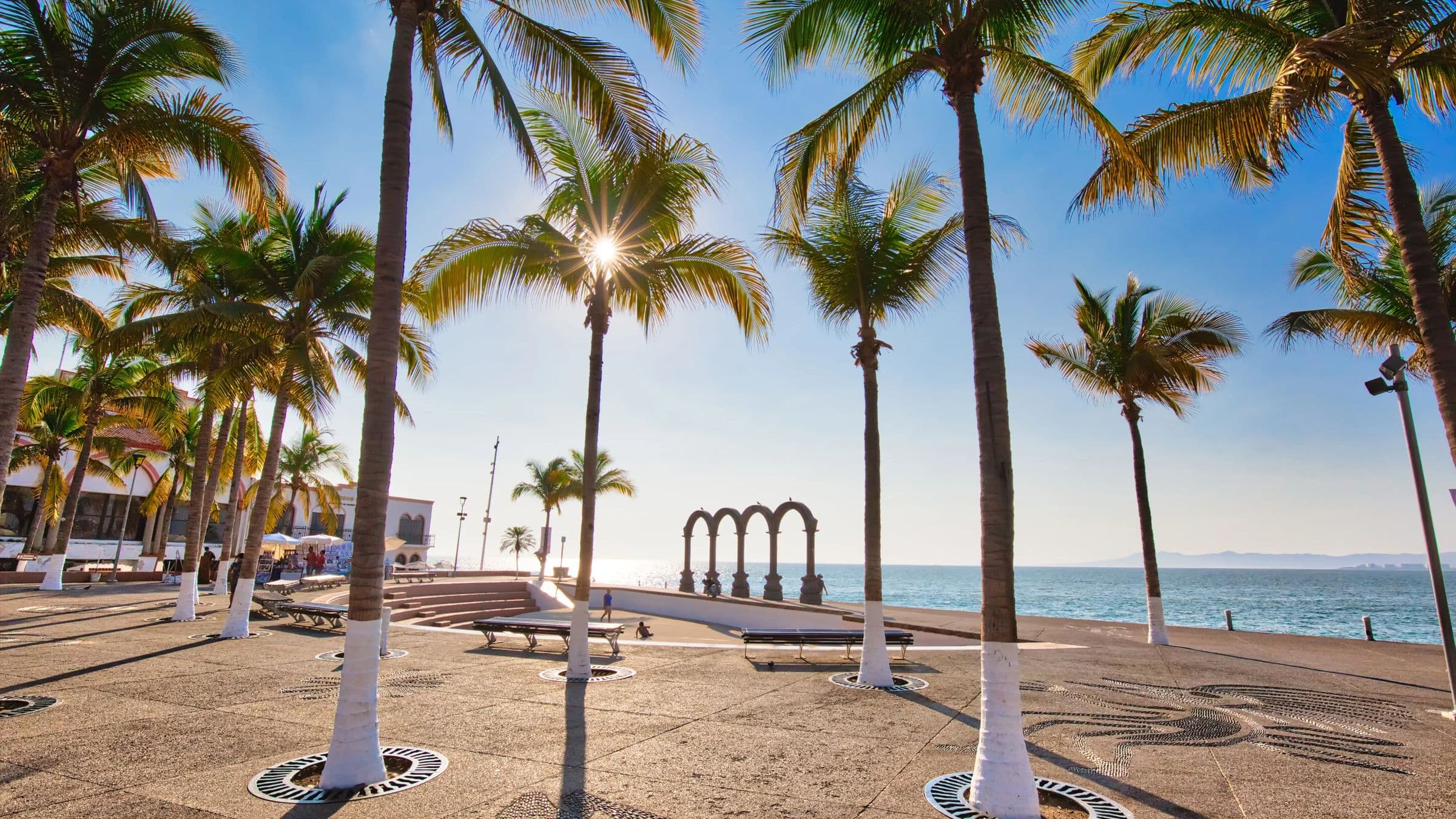
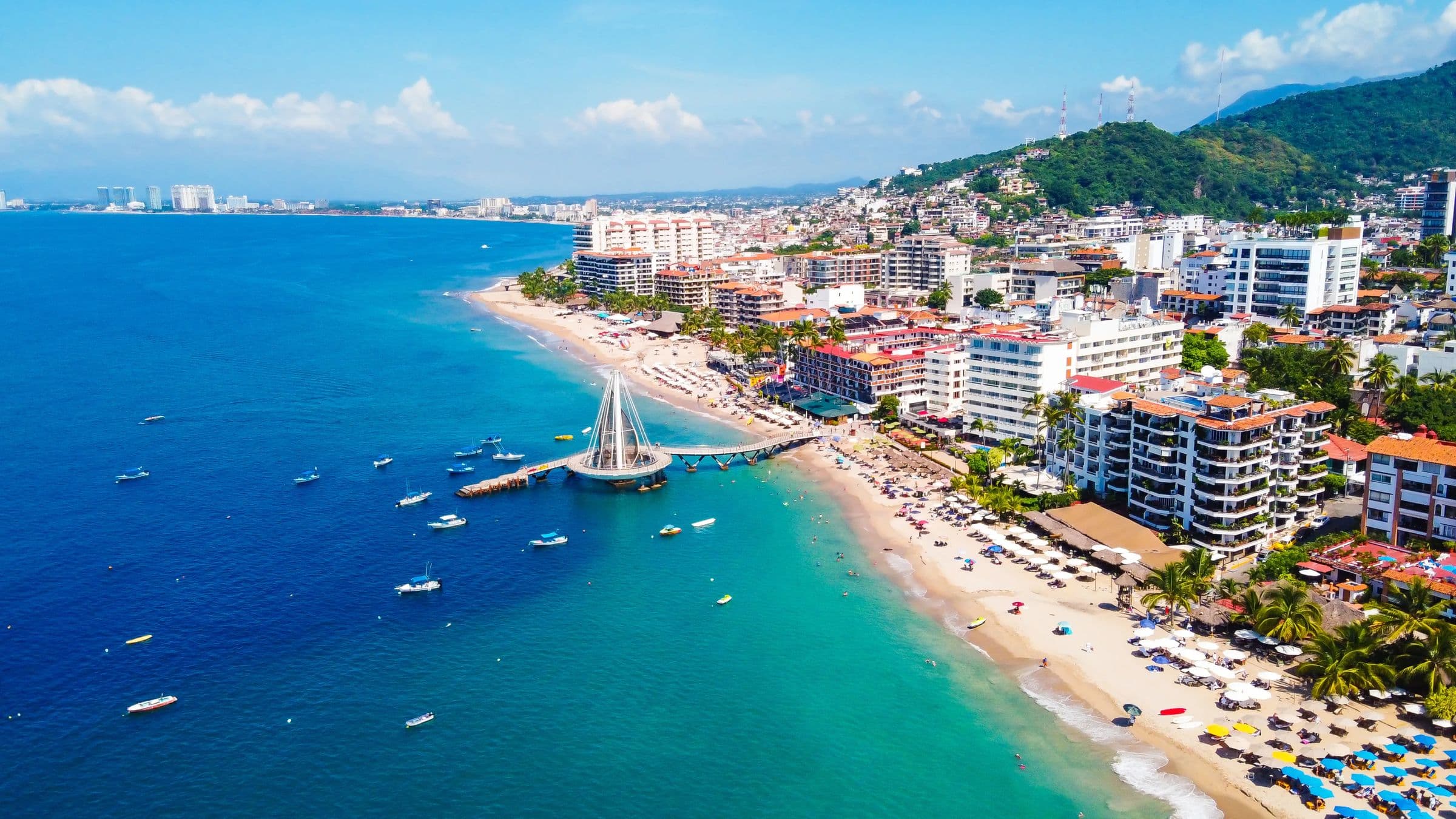
Getting around. If you live in the Zona Romántica or Centro, much of daily life is on foot, much as it is in many San Francisco neighborhoods. On the South Shore or in the hills, you will drive. Our neighborhood guide compares the options.
Community. Puerto Vallarta has a long-established community of American and Canadian residents, alongside its Mexican community. Learning some Spanish makes daily life, and relationships with neighbors, noticeably better.
Residency: you can't just stay
U.S. citizens typically enter Mexico as visitors. If you plan to live in Mexico rather than visit, you will need residency, and the application usually starts at a Mexican consulate in the United States, before you move. After you enter Mexico on the resulting visa, you complete the process with the National Migration Institute (INM) to receive your resident card.
Temporary residence generally requires proof of economic solvency through savings or investments, or through regular income. For example, the Mexican Embassy in Washington's 2025 guidance listed average monthly balances of MXN 1,394,000 over the previous 12 months, or monthly income of MXN 83,640 after tax over the previous six months. These thresholds are set in pesos and change, and each consulate publishes its own requirements, so check with the consulate where you will apply.
Owning property in Mexico does not, by itself, make you a resident.
Healthcare and insurance
Healthcare deserves careful planning. According to Medicare.gov, Original Medicare usually doesn't cover health care while you are outside the U.S., apart from a few limited exceptions. Medigap policies may cover some emergency care abroad.
Puerto Vallarta has private hospitals and English-speaking specialists, and many residents carry international or Mexican private health insurance. Residents may also be able to join Mexico's public system. Plan your coverage before you move, especially if you have ongoing prescriptions or conditions.
Money and banking
- Plan how you will pay for daily life. Many residents keep U.S. accounts and open a Mexican account once they have residency.
- Large property purchases usually move through escrow by international wire. Allow time for each bank's verification steps.
- Exchange rates move. If your income is in dollars and your costs are in pesos, the rate affects your budget.
Property: holding a home on each side of the border
In Puerto Vallarta
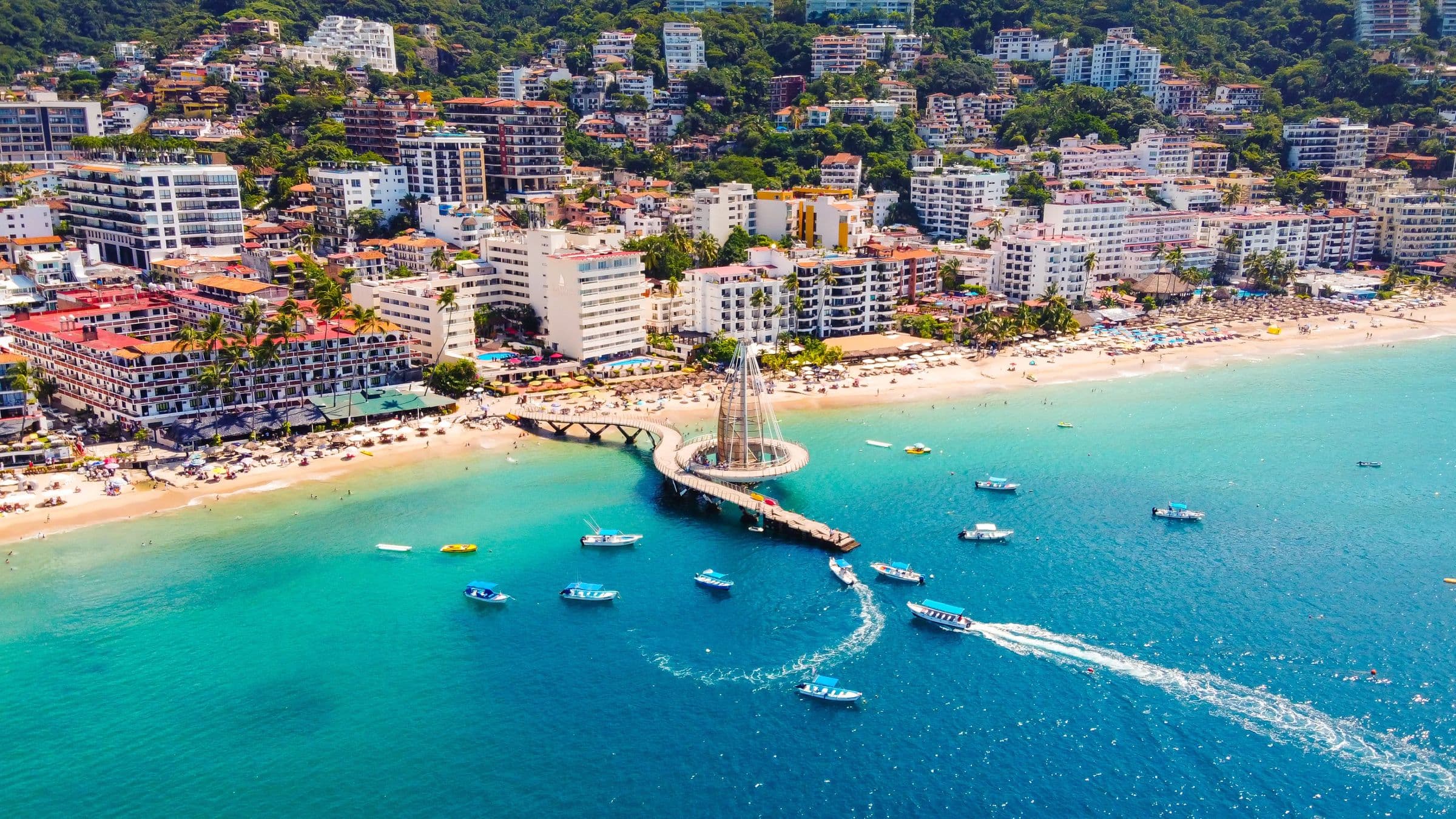
Puerto Vallarta lies inside Mexico's coastal "restricted zone", so foreigners buying a home hold it through a bank trust called a fideicomiso. It is routine, but it adds steps and costs. Read our step-by-step buying guide and fideicomiso explainer. If you are new to the city, many people rent for a season first, which is a good way to test a neighborhood before you commit.
In San Francisco
If you own in San Francisco, you have three choices:
- Sell. This simplifies your finances. Plan the timing around California's disclosure process, San Francisco's transfer tax and your capital-gains position. See our guide to selling in San Francisco.
- Rent it out. This keeps a foothold and an income, but makes you a long-distance landlord. San Francisco's rent rules are detailed, so get advice before signing a lease.
- Keep it as a pied-à-terre. This works if you will split your time.
Under Proposition 13, a California property's assessed value resets when it changes hands and otherwise rises by no more than 2% a year. Long-time owners can therefore have a property tax base far below market value. That affects the hold-or-sell decision, so factor it in.
Taxes: talk to a cross-border specialist
U.S. citizens are taxed on worldwide income wherever they live. Moving to Mexico can also create Mexican tax obligations, depending on your residency and income. Rental income from Mexican property is generally taxed in Mexico, and you also report it to the IRS. A tax professional who works in both systems is one of the best investments you can make before you move.
A practical sequence
- Decide on seasonal, phased or full relocation.
- Talk to a cross-border tax advisor.
- Arrange health coverage that works in Mexico.
- Apply for residency at a Mexican consulate, if you need it.
- Rent in Puerto Vallarta for a season, if you can.
- Decide what to do with your San Francisco home.
- Buy in Puerto Vallarta, with your own attorney, escrow and notary.
One advisor, both cities
Lance Fulford works in both San Francisco and Puerto Vallarta, which means one person can help you plan both sides of the move: selling or leasing in the city and finding the right home on the bay. Start a conversation, or read more about cross-border real estate.
General information only, not legal, immigration, tax or medical advice. Requirements change, so confirm them with the relevant consulate, insurer and qualified advisors. Last reviewed October 2026.
Sources: Embassy of Mexico, Washington – Temporary resident visa (2025); Medicare.gov – Travel outside the U.S.; California State Board of Equalization – Publication 29; Secretaría de Relaciones Exteriores – Restricted-zone trust permit; Freeman Law – Tax implications of buying in coastal Mexico. Accessed 23 October 2026.
A question about your own situation?
Lance is glad to talk it through, with no obligation.
Get in touch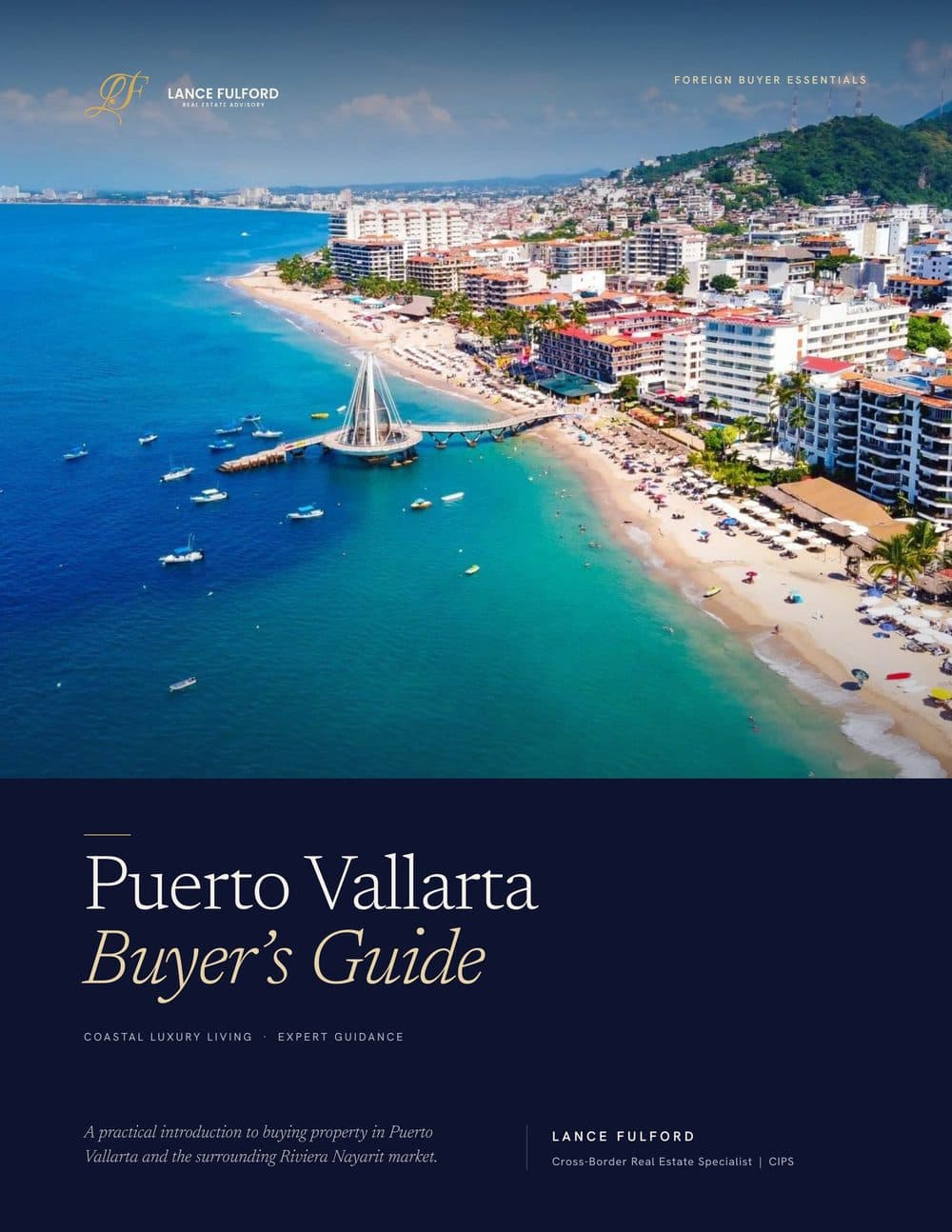
Free guide for cross-border buyers
The Puerto Vallarta Buyer’s Guide
Lance’s 16-page guide for U.S. and Canadian buyers: how ownership works, how a purchase comes together, and what to check before you commit.
- How foreigners own coastal property through a fideicomiso
- The buying process, from your brief to the keys
- Insurance, financing and moving funds safely
- Property types, neighborhoods and buyer checklists