





Selling a Home in San Francisco: Preparation, Pricing and Strategy
Pre-sale inspections, disclosures, city requirements, pricing and offers, step by step.
By Lance Fulford4 min read

Selling a home in San Francisco is part preparation, part pricing and part legal paperwork. Sellers who do well usually make most of their decisions before the home goes on the market: what to fix, what to disclose, how to price and how to run the offer process. This guide walks through each stage, without market predictions, so you can plan your own timeline.
1. Plan your timeline and your numbers
Start with your reasons for selling and where you are going next, whether that is across town, out of state or to a second home in Mexico. Then work out the numbers:
- Your net proceeds: the sale price less your loan payoff, commission, transfer tax, escrow and title costs, and any credits to the buyer.
- Taxes: talk to a tax advisor about capital gains and any exclusion you may qualify for on a primary residence.
- Timing: whether you need to sell before you buy, and how you will bridge the gap if not.
2. Prepare the property, selectively
Not every improvement pays for itself. Spend money on the things buyers notice and on anything that could undermine their confidence:
- repairs flagged by inspections;
- paint, lighting and landscaping;
- decluttering and professional staging;
- simple fixes to anything that looks neglected: doors, hardware, gutters.
Major remodels just before a sale rarely make sense. Talk to your agent before you start any project.
3. Commission pre-sale inspections
San Francisco sellers commonly order inspections before listing, such as a general property inspection and a pest (termite) report, and include them in the disclosure package. This tells you about problems before buyers find them, lets buyers write offers with confidence, and reduces the chance of renegotiation after you accept an offer.
4. Meet San Francisco's point-of-sale requirements
San Francisco has requirements that can apply when a home is sold. One example is the Residential Energy Conservation Ordinance (RECO). Under city guidance, sellers obtain an inspection, install basic energy- and water-saving measures such as low-flow fixtures, weather-stripping and insulation, and obtain a certificate of compliance. Confirm the current requirements for your property with the Department of Building Inspection or your agent early, so they don't delay your closing.
5. Prepare your disclosures
California sellers owe buyers extensive disclosures. The core documents include:
- the Transfer Disclosure Statement (Civil Code §1102 and following), your account of the property's condition;
- the Natural Hazard Disclosure Statement (Civil Code §1103), which covers flood zones, fire hazard zones, earthquake fault zones and seismic hazard zones, among others;
- for a condominium, the association documents required by Civil Code §4525;
- other state, city and form disclosures your agent provides.
The rule of thumb is simple: if you know about it, disclose it. Complete, early disclosure protects you legally and builds buyer confidence.
6. Price from the evidence
Pricing rests on recent comparable sales and on the homes you will be competing with, not on hopes or round numbers. Your agent should show you:
- recent sales of similar homes nearby, adjusted for size, condition and parking;
- what is currently on the market and how long it has been there;
- how buyers are responding at different price points.
Many San Francisco listings are marketed with a published offer date. Whether to set one, and where to set the price, are strategic choices that depend on your home and the current market. Discuss them openly with your agent.
7. Present it properly
Most buyers see your home online first. Professional photography, a floor plan and well-planned open houses or private showings matter. So does making the disclosure package easy to request and read.
8. Negotiate the whole contract
The highest price is not always the best offer. Compare:
- contingencies (loan, appraisal, inspection) and how long they last;
- the size of the deposit and how the buyer is financing the purchase;
- the closing date and any rent-back you need;
- any requested credits.
9. Escrow, transfer tax and closing
A neutral escrow and title company handles funds and documents and records the deed. San Francisco charges a transfer tax on the sale, at tiered rates. For example, $3.40 per $500 between $250,000 and $1 million, and $3.75 per $500 from $1 million to $5 million, with higher rates above that. Who pays is set by the contract.
Selling to move to Mexico?
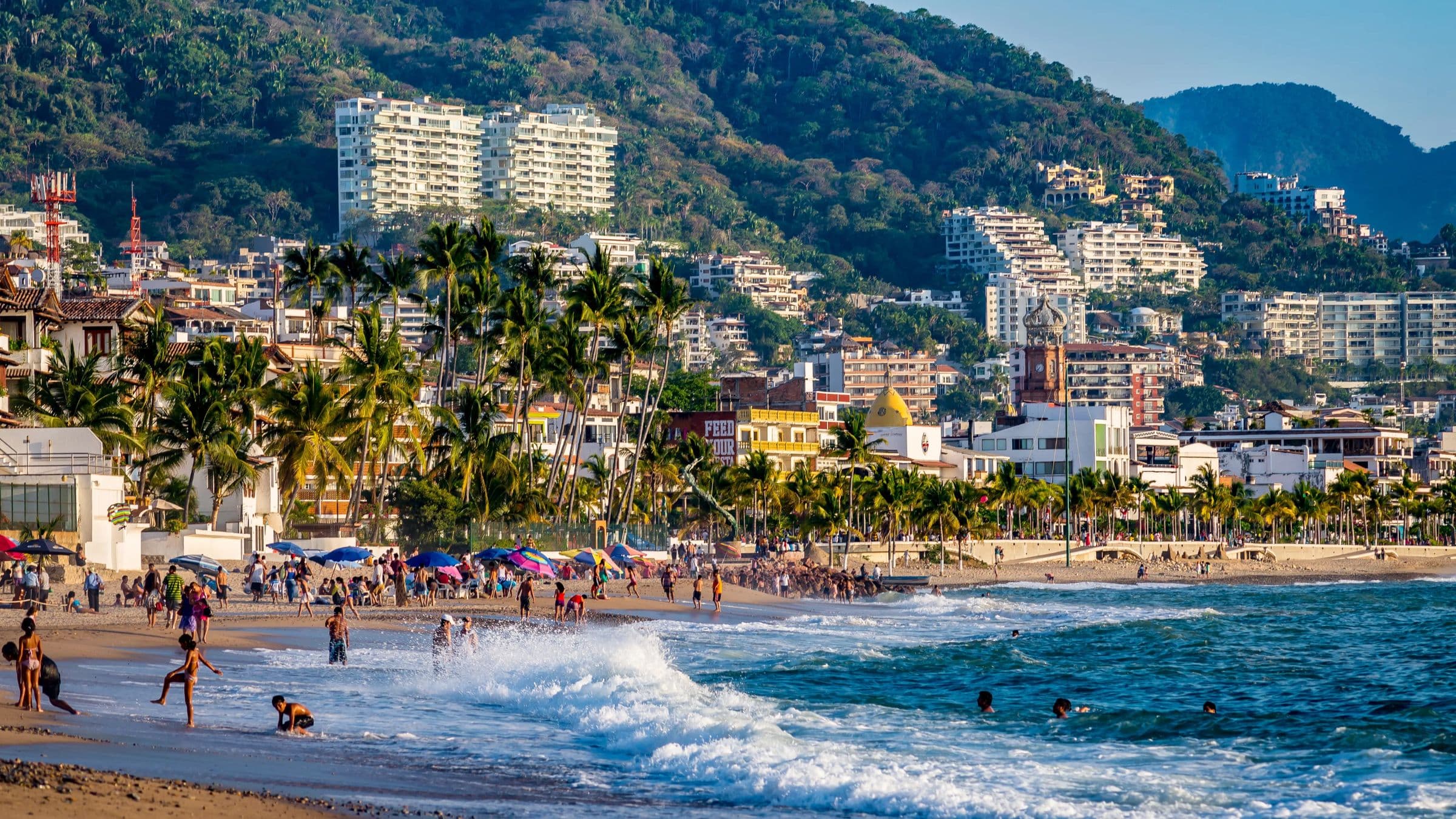
If you are selling in San Francisco to move, or to buy a second home in Puerto Vallarta, plan both sides of the move together. Read Moving from San Francisco to Puerto Vallarta.
Talk to Lance
Lance has helped San Francisco owners sell since the 1990s, and he works in both San Francisco and Puerto Vallarta. Ask for a conversation about selling, or explore San Francisco real estate.
General information only, not legal or tax advice. Disclosure and city requirements change, so confirm them for your property. Last reviewed October 2026.
Sources: Natural Hazards Disclosure Statement (Civil Code §1103); California Civil Code §4525 summary; SF Environment – Requirements before selling (RECO); City and County of San Francisco – Transfer tax. Accessed 23 October 2026.
A question about your own situation?
Lance is glad to talk it through, with no obligation.
Get in touch