




Condo vs TIC in San Francisco: What Buyers Need to Know
Ownership, financing, conversion and resale, side by side.
By Lance Fulford7 min read
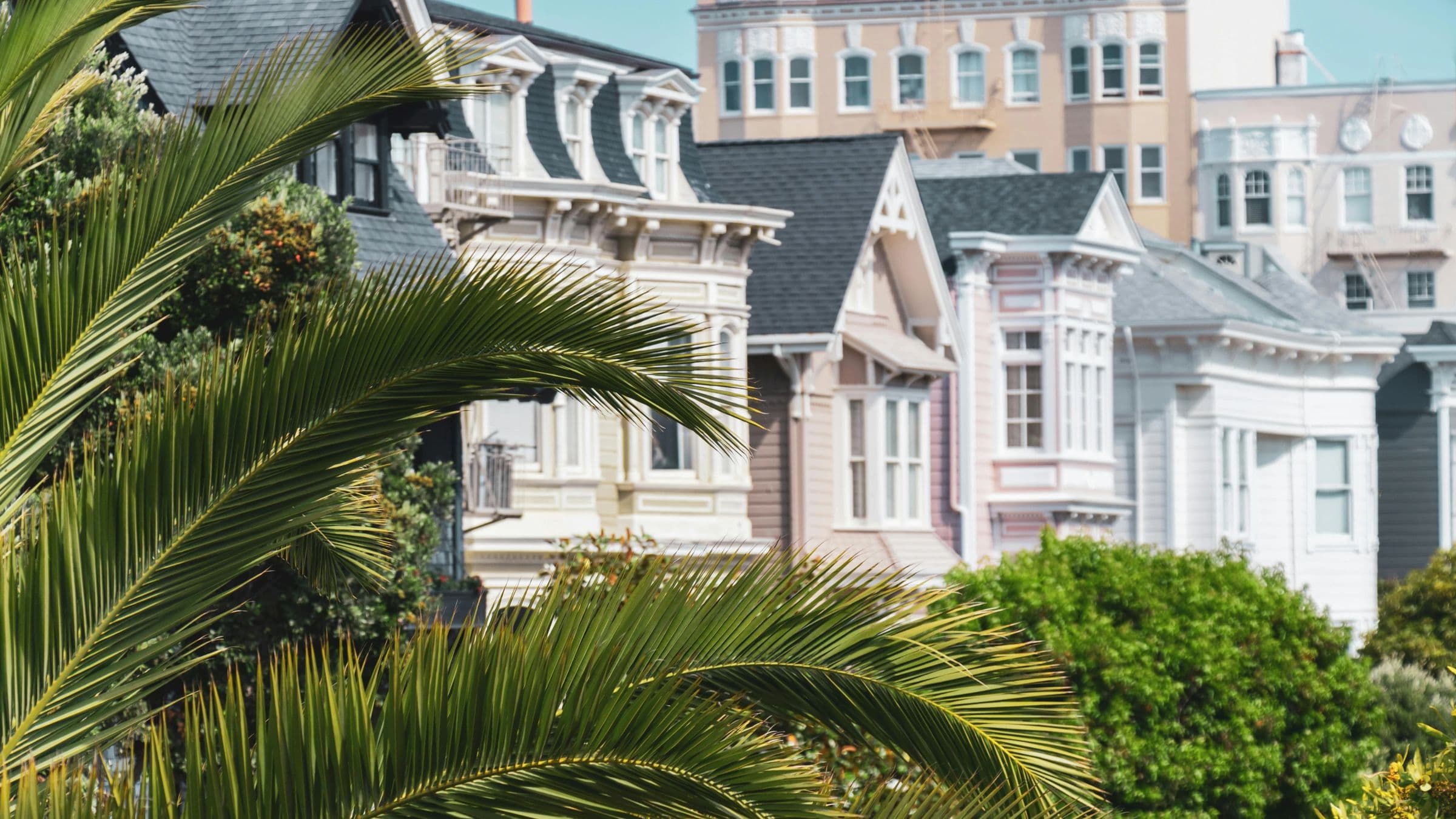
In San Francisco, a condominium and a tenancy in common (TIC) can look identical from the sidewalk: the same Victorian, the same flat, sometimes the same staircase. The difference is what you actually own. With a condo, you own your unit outright and can finance, sell and insure it on your own. With a TIC, you own a percentage share of the whole building, and an agreement among the co-owners decides who lives where. That single difference shapes your loan, your monthly costs, your resale and your risk.
This guide compares the two side by side, explains where condo conversion stands, and lists the questions to ask before you write an offer on either.
The short answer
- A condo is a separate legal parcel. You get your own deed, your own mortgage and your own property tax bill. Shared parts of the building are run by a homeowners association (HOA).
- A TIC is a fractional share of one parcel. You hold an undivided interest in the whole building, plus the exclusive right to occupy one unit under a TIC agreement. Financing, resale and building decisions involve your co-owners.
- TICs usually cost less than comparable condos in the same neighborhood. The discount is the market pricing in harder financing, smaller buyer pools and the uncertainty of ever converting to a condo.
Condo vs TIC at a glance
| Question | Condominium | Tenancy in common |
|---|---|---|
| What you own | Your unit as a separate parcel, plus a share of common areas | A percentage of the whole building, with the right to occupy one unit |
| Title | Your own deed | One deed for the building, shared by all owners |
| Financing | Standard condo mortgages from many lenders | Fractional TIC loans from a small number of specialist lenders, or an older shared building loan |
| Down payment | Depends on the loan program | Typically larger than for a condo; confirm with a TIC lender |
| Property tax | Your own bill | Confirm how the building is billed and what your share pays |
| Governing documents | CC&Rs, bylaws and HOA rules | The TIC agreement |
| Resale | Sold independently | Sold independently on most modern fractional-loan TICs, subject to the TIC agreement |
| Typical price | Higher | Usually lower than a comparable condo |
How TIC ownership actually works
In a TIC, every owner holds title to the same property. What makes it livable is the TIC agreement, a private contract that assigns each owner a unit, sets how costs are split, and spells out what happens if someone wants to sell, stops paying or wants to renovate. A well-drafted agreement does much of the work an HOA does in a condo building. A weak or outdated one is the single biggest risk in a TIC purchase.
Most San Francisco TICs are in two- to six-unit buildings: Victorian and Edwardian flats in neighborhoods like Noe Valley, the Castro, Hayes Valley and the Haight. Many were created when a building was sold to several buyers at once, often with the long-term goal of converting to condominiums.
Financing: the biggest practical difference
Condo loans
A condo is financed like any home: you choose from many lenders and loan programs, subject to the building meeting the lender’s condominium requirements.
Fractional TIC loans
Most TIC purchases today use fractional loans: each owner has a separate loan secured only by their own share, so one owner’s default doesn’t put the others’ loans at risk. The catch is choice. Only a small number of banks and credit unions make these loans, and terms are usually less favorable than for a condo: expect a larger down payment and a higher rate, and check whether the loan is adjustable.
Older shared loans
Some older TICs still have a single mortgage on the whole building, shared by every owner. If one owner stops paying, the others may have to cover it. These buildings are harder to sell and harder to finance, and they deserve extra legal review.
Before you make an offer on a TIC, talk to a lender that actively makes TIC loans in San Francisco and get pre-approved for that specific type of loan. A general pre-approval letter often isn’t enough.
Monthly costs and property taxes
In a condo, you pay your own mortgage, your own property tax and HOA dues. In a TIC, you pay your own fractional loan plus your share of building costs: insurance, common-area maintenance, reserves and repairs, as the TIC agreement sets out. Ask how the building’s property tax is billed and how your share is calculated, and confirm it with the San Francisco Assessor-Recorder. Ask for at least a year of building expense records and the reserve balance before you commit.
Can a TIC become a condo? Where conversion stands
Many TIC buyers hope to convert their building to condominiums one day, which typically raises each unit’s value. San Francisco tightly limits conversions, so treat conversion as a possibility, not a plan:
- The annual conversion lottery has been suspended since 2013 legislation. Legal commentators have repeatedly projected its return, but buyers should not assume a date.
- Two-unit buildings where both units are owner-occupied by separate owners can, in some cases, convert outside the lottery. Owner-occupancy and ownership-share requirements apply.
- Buildings with more than six residential units generally can’t convert at all.
- Past evictions and buyouts can disqualify a building, and buildings with legalized units face added restrictions.
Conversion rules are detailed and change with new legislation. If conversion matters to the price you are willing to pay, have a San Francisco condo-conversion attorney confirm the building’s eligibility before you remove contingencies.
Resale: who will buy it from you?
A condo can be sold to almost any buyer with almost any loan. A TIC can only be sold to a buyer who can get a TIC loan or pay cash, and who is comfortable with the TIC agreement. That smaller pool of buyers is a big part of why TICs trade at a discount. It cuts both ways: you buy for less, and you should expect to sell for less than a comparable condo too, unless the building converts.
Rent control and tenants
If a unit in the building is rented, or was rented in the past, rent control and eviction rules may apply. Under the City’s guidance, units in buildings built before mid-1979 generally carry both rent increase limits and just-cause eviction protection. Single-family homes and condos are generally exempt from the rent increase limits for tenancies that began on or after January 1, 1996, but still carry eviction protections. Rental history can also affect conversion eligibility. Check it carefully with the Rent Board and your attorney.
Questions to ask before you make an offer
- Is the financing fractional or a shared building loan? Which lenders are on the other units?
- When was the TIC agreement drafted, and has it been updated? What does it say about defaults, sales, rentals and renovations?
- How are costs split, what is in reserves, and are any major repairs coming up?
- Are there tenants, or have there been past evictions or buyouts?
- Is the building eligible for condo conversion, and what would it cost?
- Are there unpermitted units or work that could affect financing or conversion?
- For a condo: what do the HOA budget, reserve study and recent minutes show?
Which is right for you?
A condo usually makes sense if you want the simplest financing, the widest pool of future buyers and full control of your own unit.
A TIC can make sense if it gets you into a neighborhood or a type of home you couldn’t otherwise afford, you are comfortable with shared ownership, and you plan to stay long enough for the lower price to pay off.
Lance has sold condominiums and co-op units across San Francisco, from Hayes Valley flats to Inner Sunset buildings. You can browse them on his past sales page. For neighborhood context, see the Castro & Duboce Triangle, Hayes Valley and Haight-Ashbury & Cole Valley pages, where many TIC buildings are, and the San Francisco condo buying guide.
Frequently asked questions
Is a TIC cheaper than a condo in San Francisco?
Usually, yes. TICs typically sell for less than comparable condos in the same area, reflecting harder financing, a smaller pool of buyers and uncertainty about conversion.
Can you get a mortgage on a TIC?
Yes. Most buyers use a fractional TIC loan secured only by their own share. Fewer lenders offer them than offer condo loans, and terms are usually stricter, so get pre-approved by a TIC lender before you make an offer.
Can I convert my TIC to a condo?
Possibly, but not on a predictable timeline. San Francisco’s conversion lottery has been suspended since 2013 legislation, and eligibility depends on building size, owner occupancy and rental history. Some owner-occupied two-unit buildings can convert outside the lottery.
What happens if another TIC owner stops paying?
With fractional loans, each owner’s loan is separate, so another owner’s mortgage default doesn’t put your loan at risk. Shared building costs are handled under the TIC agreement, which is why its default provisions matter.
Do TIC owners pay HOA dues?
Not to a formal HOA. Instead, owners share building costs under the TIC agreement. In practice the monthly contribution works like HOA dues.
Talk to Lance
Weighing a condo against a TIC, or looking at a specific building? Talk it through with Lance before you write an offer.
General information only, not legal, tax or financial advice. TIC agreements, lending terms and conversion rules vary and change; confirm them with a San Francisco real estate attorney and a TIC lender. Last reviewed November 2026.
Sources: Andy Sirkin, Summary of San Francisco Condominium Conversion Rules; SF Planning, Condominium Conversion Restrictions; C. Griffith Partners, TIC vs Condo (2026); City and County of San Francisco, Learn about San Francisco rental laws; SF Rent Board, Costa-Hawkins partial exemption. Accessed 1 November 2026.
A question about your own situation?
Lance is glad to talk it through, with no obligation.
Get in touch