




Selling Property in Puerto Vallarta as a Foreigner: Taxes, the Notario and What to Prepare
How capital gains tax works when a foreign owner sells in Mexico, why your tax residency matters, and the paperwork that protects your proceeds.
By Lance Fulford6 min read
Selling a home in Puerto Vallarta follows Mexican rules, and they differ from what most American and Canadian owners are used to. The biggest surprise is usually the tax: how much you pay depends heavily on whether you are a tax resident of Mexico, and on how well you documented what you spent on the property.
This guide explains how a sale works, how capital gains tax is calculated and withheld, and what to prepare before you list.
The short answer
- The notario handles the closing and the tax. The notario público formalizes the sale, calculates the seller’s income tax (ISR) and withholds it at closing.
- Non-resident sellers have two methods. Mexican law sets 25% of the gross sale price with no deductions, or, under conditions, 35% of the net gain with a legal representative in Mexico.
- Mexican tax residents are taxed on the gain, after the inflation-adjusted cost and allowable deductions, and may qualify for an exemption on the sale of their home.
- Receipts matter. Documented purchase costs and improvements can reduce the taxable gain. Missing paperwork can cost you.
How a sale works in Mexico
As with a purchase, a sale is formalized before a notario público, a senior lawyer appointed by the state. The notario verifies title, prepares the deed, calculates the taxes and records the transfer.
If you hold the property through a fideicomiso, the bank trust that foreigners use on the coast, the sale usually takes one of two forms: your rights in the trust are assigned to the buyer, or the bank transfers the property into a new trust for them. For tax purposes, selling your rights in a trust is generally treated the same as selling the property itself. Our guide to the fideicomiso explains how the trust works.
The buyer, not the seller, pays the municipal acquisition tax. The full picture of buyer costs is in Puerto Vallarta closing costs.
Capital gains tax: why your tax residency matters
If you are not a tax resident of Mexico
Most owners who live in the United States or Canada and use their Vallarta home part of the year are not Mexican tax residents. Mexico’s Income Tax Law (Ley del ISR) taxes non-resident sellers of Mexican property under its rules for residents abroad:
- 25% of the gross sale price, with no deductions; or
- under certain conditions, 35% of the net gain, if the seller appoints a legal representative in Mexico.
The difference can be large. As a simple illustration: on a US$500,000 sale, 25% of the gross price is US$125,000. If the property cost US$400,000, 35% of a US$100,000 gain is US$35,000, before the inflation adjustment and deductions a notario would apply. Real calculations are done in pesos and depend on your documents, so treat these figures as an illustration only.
The notario is jointly responsible for withholding the tax, so the method used is settled before closing. Ask early whether the net-gain method is available to you and what it requires.
If you are a tax resident of Mexico
For a Mexican tax resident, the taxable gain is the sale price minus the purchase cost, adjusted for inflation, and minus allowable deductions such as documented improvements, notary fees and commissions. The notario withholds a provisional payment at closing, and the sale is reported on the annual return.
Mexican law also exempts the sale of a principal home (casa habitación) up to a limit of 700,000 UDIS, Mexico’s inflation-indexed unit, if the seller meets the conditions, including not having used the exemption recently. The notario will tell you what proof of residency and occupancy is required.
The US side
If you are a U.S. citizen or resident alien, the sale is also reportable at home: the IRS states that you must report your worldwide income. The U.S.–Mexico tax treaty addresses gains from real property, so ask a cross-border CPA how Mexican tax paid on the sale is treated on your U.S. return.
What to prepare before you list
- Your deed and trust documents. The escritura and, if applicable, the fideicomiso contract and any amendments.
- Proof of what you paid. Your purchase deed and closing statement establish your cost.
- Invoices for improvements. Mexican deductions generally require formal invoices (facturas). Gather what you have early.
- Proof of residency, if you are a tax resident. Ask the notario what is needed to support the home-sale exemption.
- Clear accounts. Property tax (predial), HOA dues and utilities should be current; the notario and buyer will check.
- A plan for the funds. Decide how and where you will receive the proceeds, and in which currency.
Frequently asked questions
How much tax do foreigners pay when selling property in Mexico?
For sellers who are not Mexican tax residents, Mexico’s Income Tax Law sets 25% of the gross sale price, or, under conditions, 35% of the net gain with a legal representative in Mexico. Mexican tax residents are taxed on the gain and may qualify for a home-sale exemption.
Who withholds the tax when I sell in Puerto Vallarta?
The notario público calculates and withholds the seller’s income tax at closing.
Can I avoid capital gains tax when selling my home in Mexico?
Mexican tax residents may qualify for an exemption on the sale of their principal home up to 700,000 UDIS, if they meet the conditions. Non-residents generally do not have that exemption, which is why the method and your documents matter.
Is selling a property held in a fideicomiso different?
The mechanics differ, since your trust rights are assigned or the bank transfers the property to the buyer’s trust, but for tax purposes the sale of trust rights is generally treated the same as selling the property.
Do I also report the sale in the United States?
Yes, if you are a U.S. citizen or resident alien. The IRS requires you to report worldwide income. Ask a cross-border CPA how Mexican tax paid applies to your U.S. return.
Thinking about selling in Puerto Vallarta?
Lance works with buyers and sellers in Puerto Vallarta and can help you understand the market and plan the sale with your notario. Send Lance a message.
General information only, not legal or tax advice. Mexican tax is calculated by the notario on the facts of each sale; confirm your position with the notario and a cross-border tax adviser. Last reviewed November 2026.
Sources: IBG Legal, ISR on the sale of real estate (Ley del ISR arts. 93, 126, 160–162); Ley del Impuesto sobre la Renta, Title V (residents abroad); IRS Tax Tip 2023-36. Accessed November 2026.
A question about your own situation?
Lance is glad to talk it through, with no obligation.
Get in touch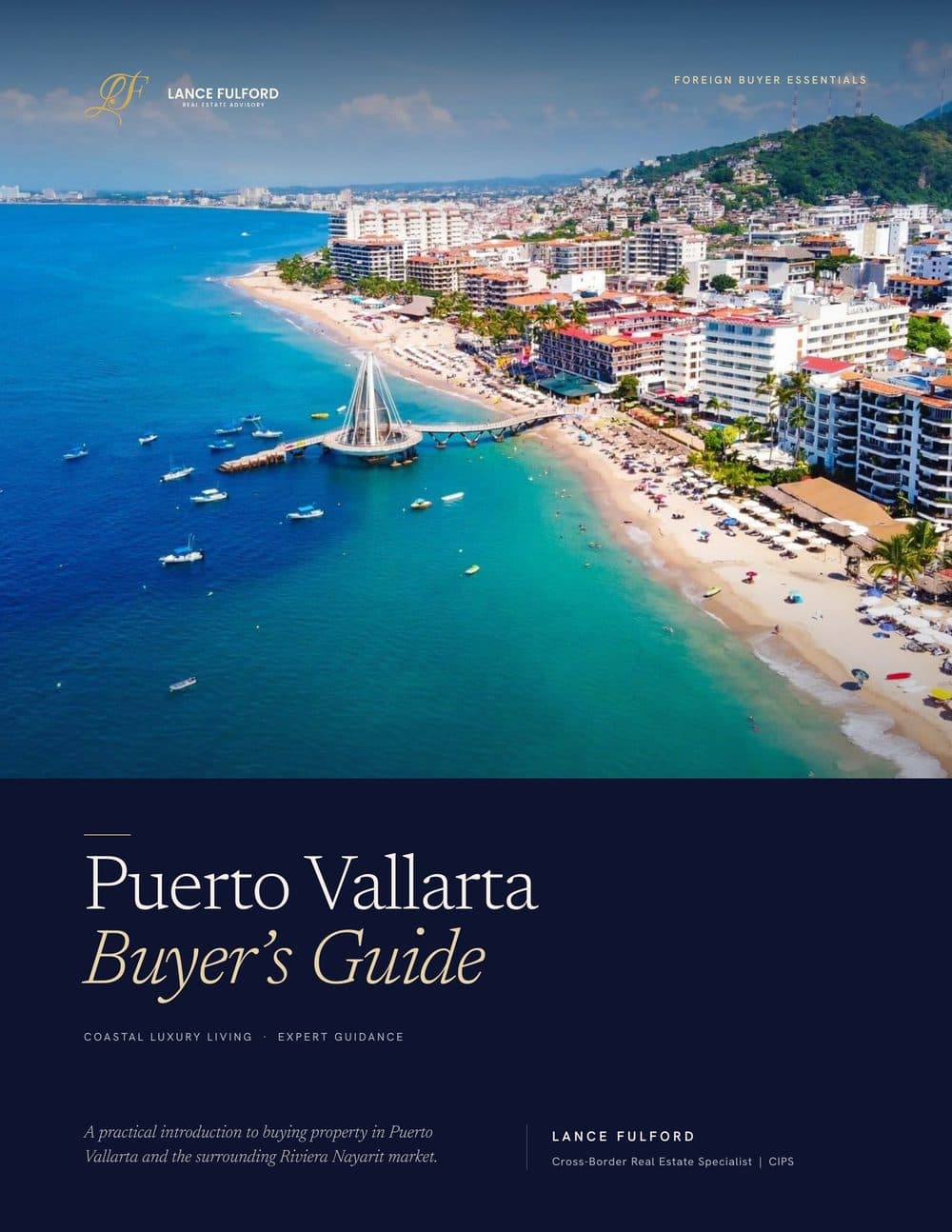
Free guide for cross-border buyers
The Puerto Vallarta Buyer’s Guide
Lance’s 16-page guide for U.S. and Canadian buyers: how ownership works, how a purchase comes together, and what to check before you commit.
- How foreigners own coastal property through a fideicomiso
- The buying process, from your brief to the keys
- Insurance, financing and moving funds safely
- Property types, neighborhoods and buyer checklists
Keep reading
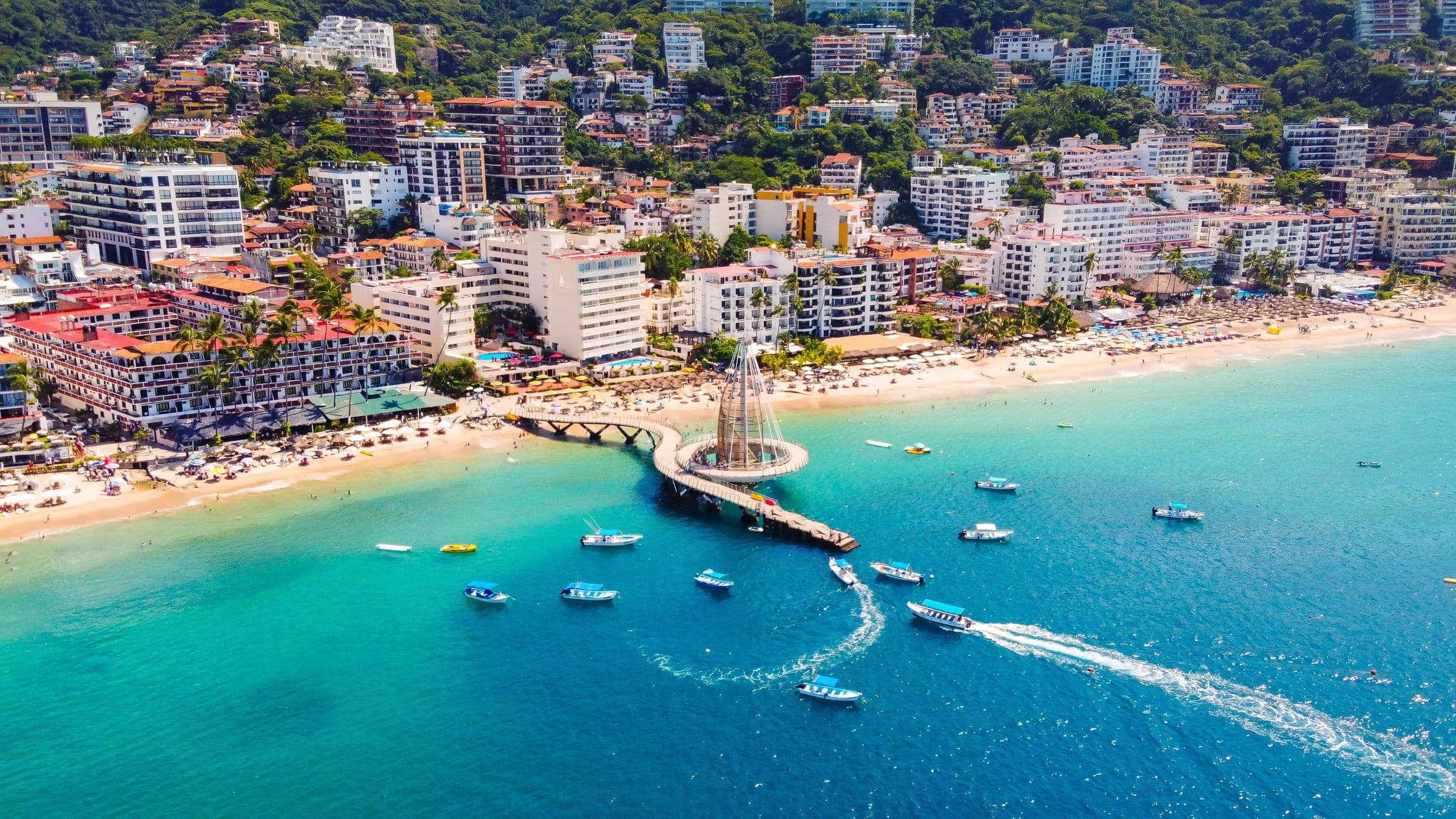 Puerto Vallarta7 min read
Buying Pre-Construction in Puerto Vallarta: Contracts, Payments and Protections
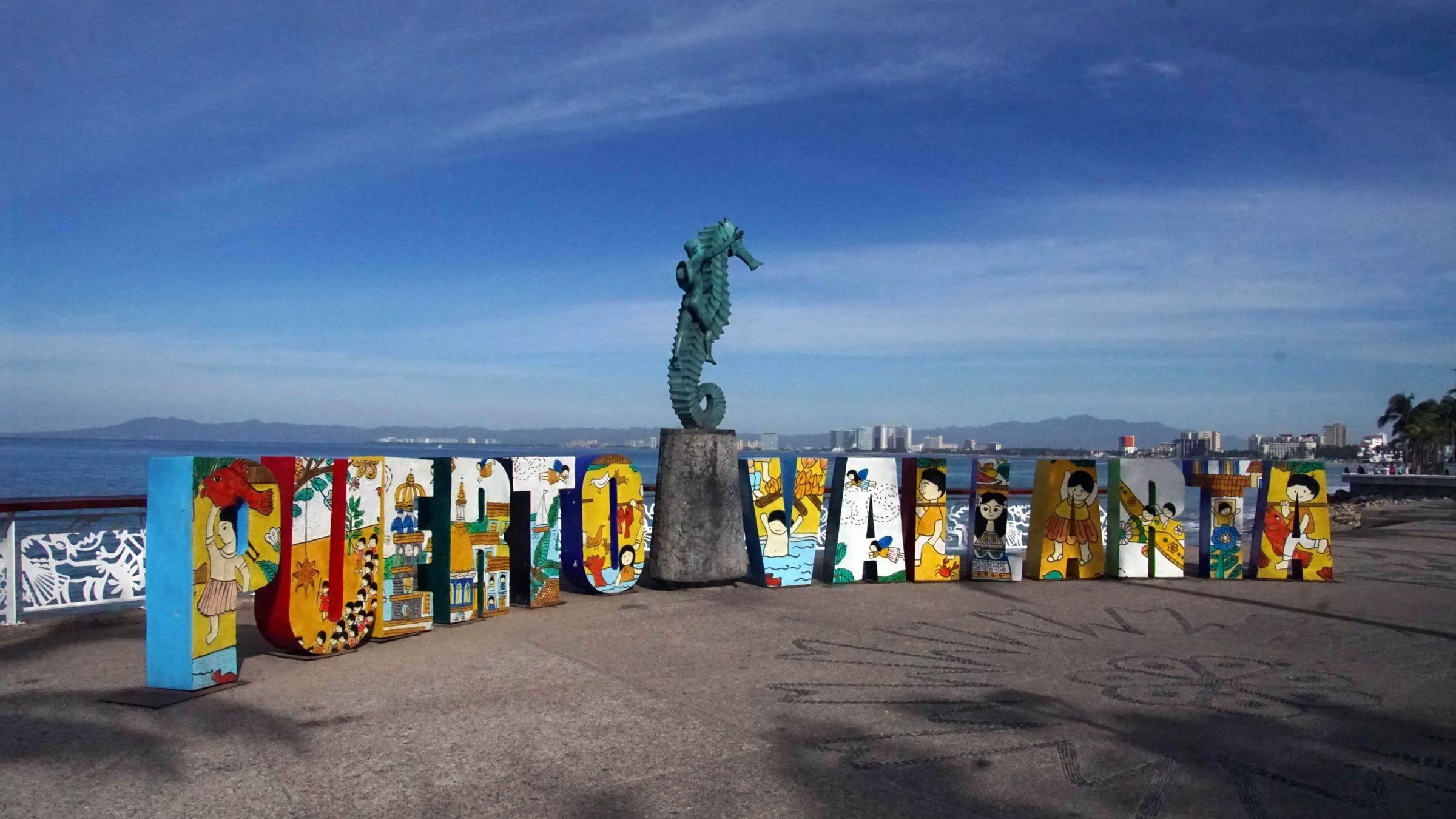 Puerto Vallarta5 min read
Puerto Vallarta Property Taxes: How the Predial Works for Foreign Owners
 San Francisco6 min read
San Francisco Property Taxes: How Prop 13 Works and What You Will Actually Pay